Understanding Digital Transformation
Digital transformation refers to the integration of digital technology into various aspects of traditional media, fundamentally changing how they operate and deliver value to consumers. It involves not only adapting existing practices but also rethinking business models to meet the expectations of a tech-savvy audience. Traditional media faces several challenges in this transformation, including outdated infrastructures, resistance to change from within the organization, and the need to develop new skill sets among staff.
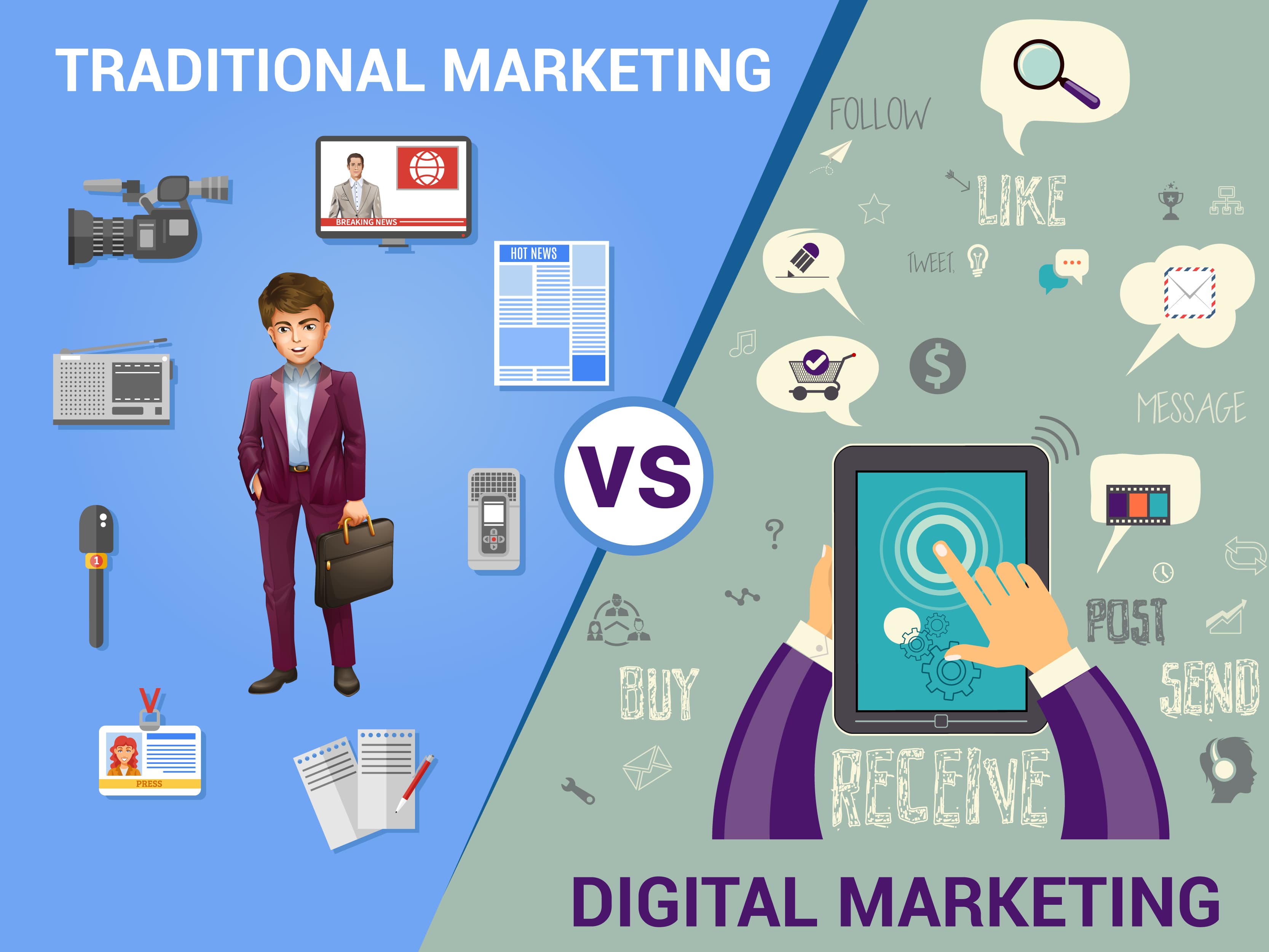
Key technologies driving this transformation include artificial intelligence (AI), big data analytics, and cloud computing. These technologies enable media companies to streamline operations, understand audience behaviors better, and produce content more effectively.
Transitioning Content Delivery
To enhance online content delivery, traditional media outlets can adopt various methods that appeal to modern audiences. First, implementing a robust content management system can improve the efficiency of content distribution across platforms.
Moreover, mobile optimization has become essential. With an increasing number of users consuming media on their smartphones, traditional media must ensure that websites and applications are responsive and user-friendly.
Integrating social media into operations not only boosts visibility but also fosters community engagement. Strategies such as live tweeting during events, creating shareable video snippets, and engaging directly with audiences through platforms like Instagram and Facebook can significantly enhance reach and interaction.
Audience Engagement Strategies
Improving audience engagement through interactive content can be achieved through several approaches. Incorporating polls, quizzes, and live Q&A sessions encourages audience participation, making them feel valued and connected.
Leveraging analytics is crucial for understanding audience preferences. By analyzing data from various sources, traditional media can tailor content to meet the needs and interests of their audience effectively.
Successful examples include NPR’s use of social media to engage listeners and the BBC’s interactive programs that allow viewers to shape content according to their interests.
Revenue Models in the Digital Age
As traditional media navigates the digital landscape, it is essential to explore alternative revenue models. Subscription services have emerged as a vital source of income, allowing media companies to generate steady revenue from dedicated audiences.
Comparing advertising strategies reveals key differences between print and digital formats. While print advertising is often limited to local businesses, digital platforms allow for targeted advertising, reaching specific demographics based on user data, which can lead to higher conversion rates.
Collaborations and Partnerships
Potential partnerships between traditional media and tech companies can drive innovation and efficiency. Collaborations with technology firms can lead to the development of new tools and platforms that enhance content delivery and audience engagement.
Cross-industry collaborations have proven beneficial, as they enable media companies to pool resources and expertise. A prominent example is the collaboration between The New York Times and various tech startups to enhance their digital offerings.
Training and Development
Designing a training program for media professionals is critical for adapting to digital trends. This program should focus on developing skills in digital content creation, data analytics, and social media management.
Continuous learning plays an essential role in overcoming digital challenges. Resources such as online courses, webinars, and workshops should be made available to ensure that media professionals stay updated on the latest trends and technologies in the industry.
Case Studies of Successful Adaptation
A notable case study is the transition of The Washington Post to a digital-first strategy. By investing in technology and hiring digital-savvy journalists, the outlet successfully expanded its online presence, resulting in a significant increase in digital subscriptions.
The strategies implemented included focusing on mobile-first content, harnessing analytics to drive editorial decisions, and creating engaging multimedia features. These efforts not only increased audience engagement but also boosted overall revenue, providing a blueprint for other traditional media outlets to follow.