Media Influence on Self-Perception
Media plays a significant role in shaping our perceptions of ourselves and our bodies. Through consistent exposure to certain ideals, individuals can develop varying levels of self-esteem and body image. The influence of media consumption, especially social media, significantly impacts how we view ourselves and our bodies.
Relationship Between Media Consumption and Self-Esteem
Research indicates a clear relationship between media consumption and self-esteem. Individuals who frequently engage with idealized images and lifestyles often experience lower self-esteem. This can be attributed to the unrealistic standards set by media portrayals, which create a skewed perception of what constitutes beauty.
Role of Social Media in Body Image Perception
Social media platforms amplify the reach of these idealized images. The constant scroll through curated feeds exposes users to filtered realities that often showcase unattainable body standards. For example, influencers and celebrities frequently share content that highlights specific body types, leading followers to compare themselves unfavorably.
Examples of Media Messages that Promote Negative Self-Image
Various media messages contribute to a negative self-image. Advertisements often utilize airbrushed models to sell products, implying that beauty is synonymous with thinness or perfection. Additionally, reality TV shows frequently showcase dramatic transformations, reinforcing the notion that one’s worth is tied to physical appearance.
Representation of Body Types in Media
The representation of diverse body types in media is critical in shaping societal beauty standards. Historically, media has favored a narrow view of attractiveness, but the landscape is slowly changing.
Body Types Featured in Different Media Forms
Media encompasses various forms, including television, film, print, and online platforms. Traditionally, these mediums predominantly featured slim, tall models and actors. However, there’s a gradual increase in the representation of plus-size, disabled, and diverse ethnic bodies in contemporary media.
Comparative Analysis: Traditional vs. Modern Media Representation
While traditional media largely focused on a singular type of beauty, modern media is beginning to embrace a wider array of body types. This shift reflects societal changes towards inclusivity and acceptance. For instance, brands such as Aerie and Dove have initiated campaigns that celebrate all body types, promoting a broader definition of beauty.
Impact of Lack of Representation on Beauty Perceptions
The absence of diverse body representation can lead to skewed perceptions of beauty. Audiences may internalize the idea that only certain body types are desirable, resulting in low self-esteem and body dissatisfaction among those who do not fit these ideals.
Psychological Effects of Media Portrayals
The psychological impact of constant exposure to idealized body images is profound. This exposure can lead to various mental health issues, including body dysmorphia and eating disorders.
Psychological Impacts of Exposure to Idealized Body Images
Individuals who regularly view idealized body images may develop a distorted self-image. The unrealistically high standards set by media can foster feelings of inadequacy and anxiety. Over time, this can contribute to serious mental health challenges.
Media Portrayals Leading to Body Dysmorphia and Eating Disorders
Consistent engagement with media that glorifies specific body types can trigger body dysmorphia, a condition where individuals perceive their appearance inaccurately. This can lead to extreme behaviors, including disordered eating patterns, in an attempt to conform to perceived standards of beauty.
Case Studies Illustrating Mental Health Consequences
Several case studies highlight the severe consequences of media portrayals. For instance, a notable study found that young women exposed to fashion magazines exhibited a higher prevalence of eating disorders compared to their peers who consumed less media. This correlation underscores the significant role that media plays in mental health.
Cultural Variations in Body Image Perception
Cultural factors heavily influence how media portrayals are perceived across different societies. Understanding these variations is essential in addressing body image issues globally.
Different Cultures’ Reactions to Media Portrayals of Body Image
Different cultures possess unique standards of beauty influenced by historical, social, and economic factors. For example, while Western cultures often prioritize thinness, other cultures may celebrate curvier body types as symbols of wealth and health.
Global Standards of Beauty and Their Representation in Media
Global beauty standards vary significantly, with media representations often reflecting Western ideals. However, non-Western cultures are increasingly gaining visibility in global media, pushing back against traditional beauty norms.
Impact of Cultural Values on Body Image Perceptions
Cultural values deeply impact individual perceptions of beauty. For instance, in cultures where collectivism is emphasized, communal approval may shape body image perceptions more than individualistic societies focused on personal achievement.
Role of Advertising in Body Image
Advertising strategies have a substantial impact on body image perceptions and can contribute to body image issues.
Advertising Strategies and Body Image Issues
Advertisements frequently leverage idealized body images to sell products, creating a powerful yet harmful narrative surrounding beauty. These strategies often perpetuate unrealistic body standards, leading consumers to feel inadequate.
Body Image in Marketing Campaigns
Recent marketing campaigns have begun to shift towards inclusivity. Brands like Aerie have embraced body positivity by featuring models of diverse shapes and sizes in their advertisements, promoting a more realistic and positive body image.
Examples of Brands Embracing Body Positivity
Several brands are leading the way in body positivity, including Fenty Beauty, which celebrates a wide range of skin tones and body types. These initiatives challenge traditional beauty norms and encourage consumers to embrace their unique bodies.
The Impact of Celebrity Culture
Celebrity culture significantly influences public perceptions of body image, often setting unrealistic standards for beauty.
Influence of Celebrities on Body Image Perceptions
Celebrities often become role models, and their body image can greatly impact fans’ self-esteem. For instance, the rise of the “Instagram model” has led to increased pressure on individuals to conform to specific beauty standards.
Celebrity Endorsements and Body Image Standards
Celebrity endorsements can reinforce narrow body image standards. When celebrities promote products while embodying idealized beauty standards, it can create unattainable expectations for their audience.
Consequences of Unrealistic Body Expectations Set by Public Figures
The unrealistic body expectations set by public figures can lead to widespread dissatisfaction among fans. This can manifest in various ways, including increased body dissatisfaction and mental health issues.
Media Literacy and Body Image Awareness
Improving media literacy is essential for fostering positive body image and critical thinking about media portrayals.
Framework for Improving Media Literacy
A comprehensive framework for media literacy should include education on recognizing media bias, understanding the techniques used in advertising, and promoting critical consumption of media. This empowers individuals to challenge unrealistic portrayals.
Educational Strategies to Promote Critical Thinking
Educational institutions can implement programs that encourage critical thinking about media portrayals. Workshops and discussions on body image can help students navigate their self-perceptions in a media-saturated environment.
Methods for Fostering Positive Body Image
Fostering positive body image can include initiatives that celebrate diversity in body types and promote self-acceptance. Community programs that highlight body positivity can empower individuals to embrace their bodies.
Future Trends in Media and Body Image
As society evolves, so too do the portrayals of body image in media. Anticipating future trends can provide insights into the direction of body image representation.
Potential Shifts in Body Image Representation
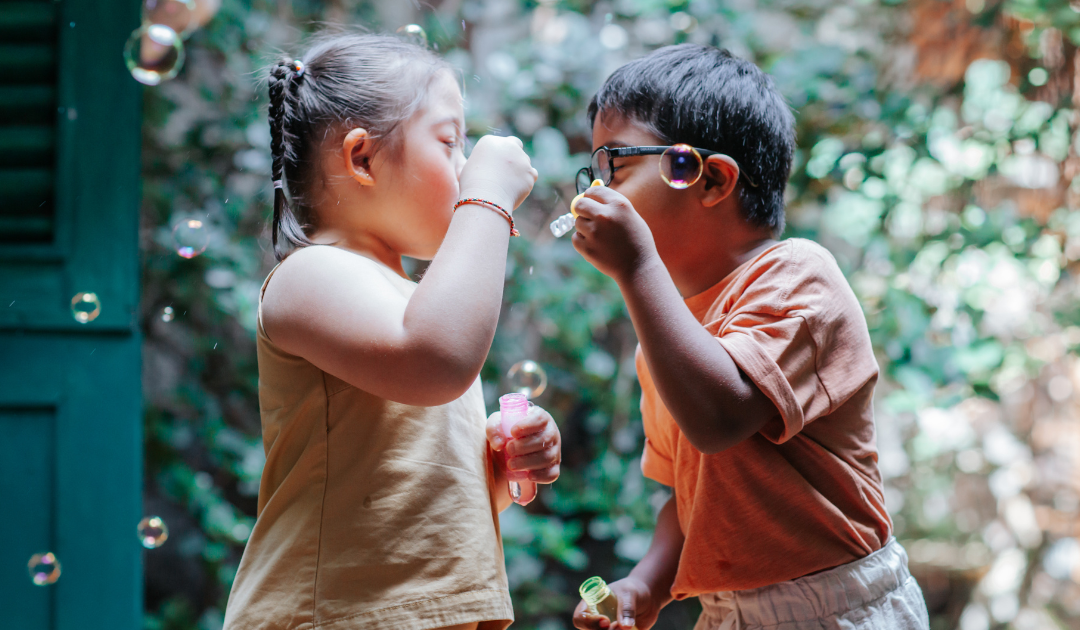
There is a growing movement towards inclusivity and diversity in media portrayals of body image. As audiences demand representation, media is likely to adapt to reflect a wider array of body types and identities.
Rise of Body Positivity Movements
Body positivity movements continue to gain momentum, challenging conventional beauty standards. This cultural shift encourages individuals to celebrate their bodies, irrespective of societal expectations.
Impact of Technology on Representation of Body Image
Advancements in technology, such as augmented reality, may change how body image is represented. These innovations could allow for more diverse representations and foster greater acceptance of different body types in the future.